
Everything you need to know about OEM toy manufacturing — from product design and mold creation to private labeling, QC, and global shipping.
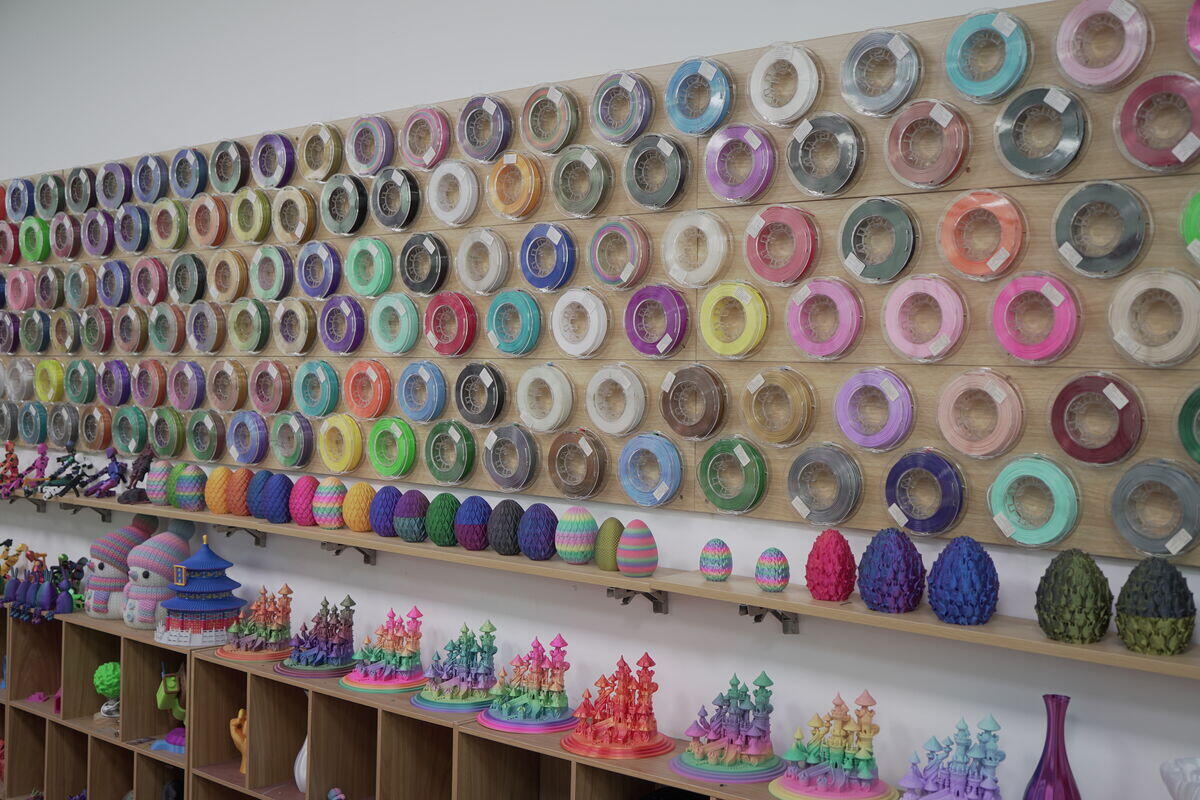
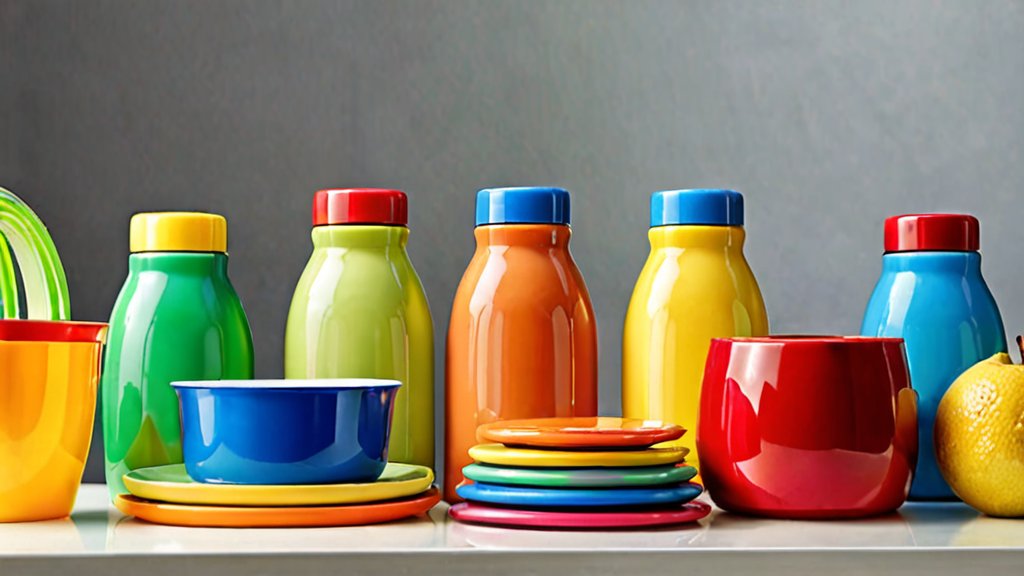
The global toy market is projected to reach $46.7 billion by 2028, and an increasing share of that growth comes from brands using OEM (Original Equipment Manufacturing) and private label strategies to bring products to market without building their own factories. Whether you're a startup launching your first toy or an established retailer expanding your private label line, understanding how OEM toy manufacturing works in China is essential to getting quality products at competitive prices.
This guide breaks down the entire OEM toy manufacturing process — from initial concept to final shipment — so you can confidently partner with a toy manufacturer and build products that sell.
OEM toy manufacturing means a factory produces toys according to your design specifications, and you sell them under your own brand name. The factory handles the tooling, production, and often the raw material sourcing — but the intellectual property and brand belong to you.
In contrast, ODM (Original Design Manufacturing) means you choose from existing factory designs and customize them with your branding, colors, or packaging. Many toy manufacturers, including URMYWO, offer both OEM and ODM services depending on your needs.
Every custom toy begins with a concept. You'll work with the manufacturer's engineering and design team to turn your idea into a manufacturable product. At this stage you'll define:
URMYWO's in-house design team can help refine your concept for manufacturability, identifying potential issues before mold creation begins.
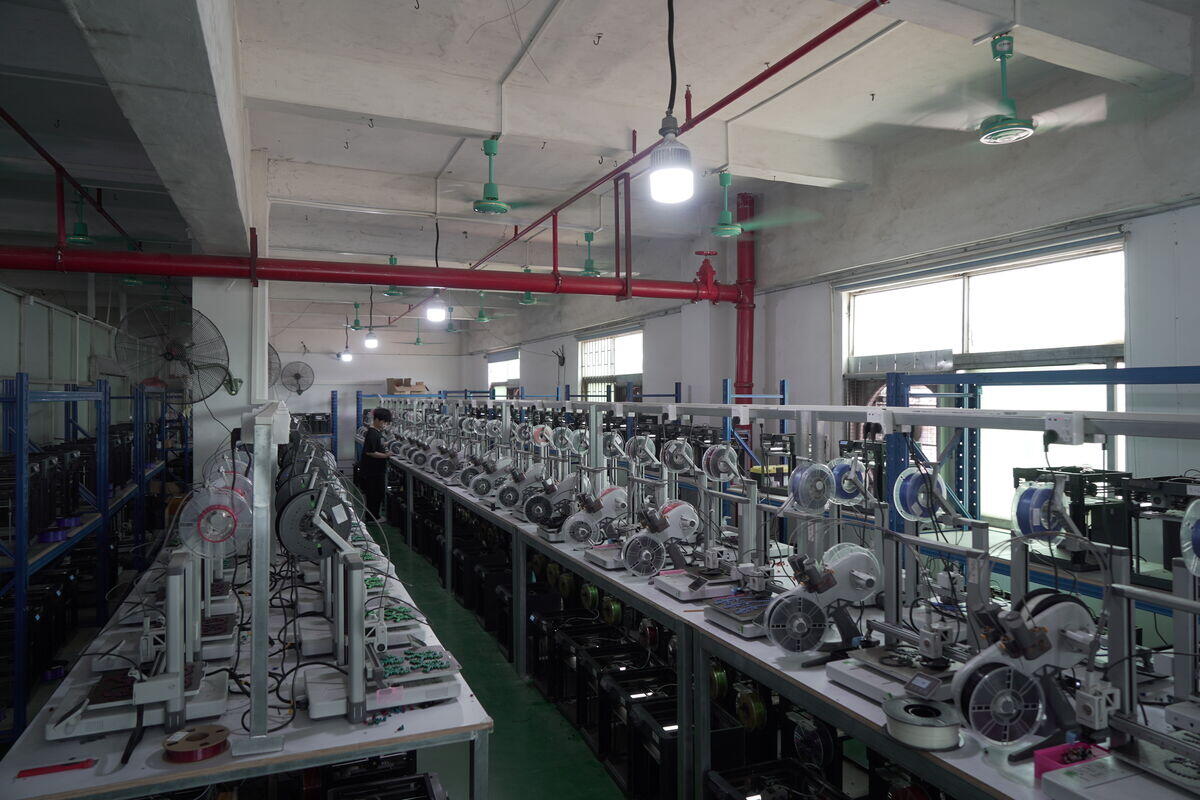
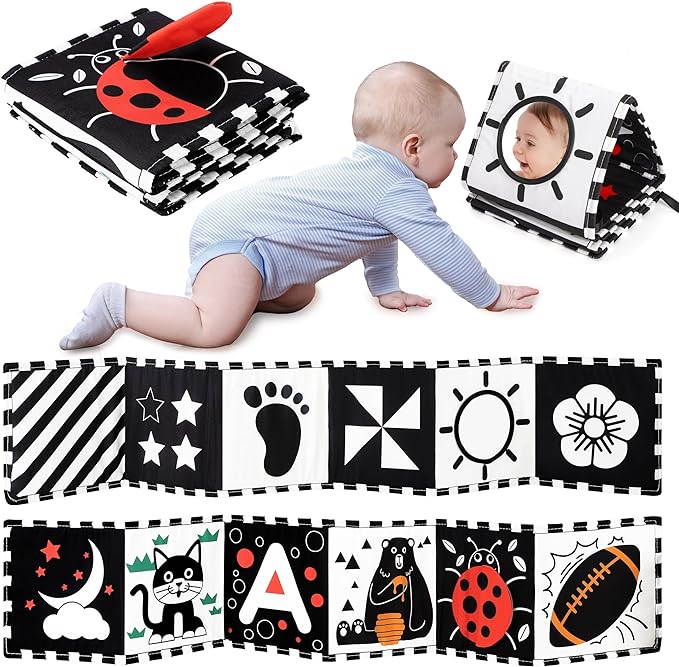
For injection-molded plastic toys, mold creation is the most significant upfront investment. Molds are made from hardened steel or aluminum and can cost anywhere from $1,000 to $50,000+ depending on complexity. Key factors that affect mold cost:
For 3D printed toys, there are no mold costs — which is a major advantage for small-batch production, custom designs, and rapid iteration. URMYWO's 3D printing division produces toys directly from digital files, making it possible to launch new designs in days rather than months.
Before full production begins, the manufacturer creates samples for your approval. A typical sampling process includes:
URMYWO ships samples via express courier (DHL/FedEx) so you can physically evaluate quality, feel, and durability before committing to production.
Once samples are approved, production begins. A reputable toy OEM manufacturer follows a structured QC process:
URMYWO maintains CPSC-accredited lab testing for all production batches, providing CPC, ASTM F963, and EN71 compliance documentation with every order.
Your private label toy packaging is the first thing customers see. OEM manufacturers typically offer packaging services including:
Packaging must include mandatory labeling: manufacturer info, country of origin, age grading, choking hazard warnings, and certification marks. Your OEM partner should handle all regulatory labeling requirements for your target market.
Your manufacturer coordinates shipping from their facility to your destination. Common shipping methods:
URMYWO offers DDP (Delivered Duty Paid) shipping service, meaning we handle all customs clearance and duties — your order arrives at your door with no surprises.
Regardless of which OEM partner you choose, they must be able to provide these certifications for your target market:
See our complete guide to toy safety standards for detailed requirements for each market.
URMYWO is a vertically integrated toy OEM manufacturer based in Shenzhen, China. We offer both traditional injection molding and innovative 3D printing production under one roof. Our OEM and private label services include:
Tell us about your toy idea — our team will provide a free feasibility assessment, mold estimate, and production timeline. No commitment required.
Request OEM Quote →