
A clear, honest look at the technology behind 3D printed toys — and why they're becoming a popular choice for parents and retailers alike.
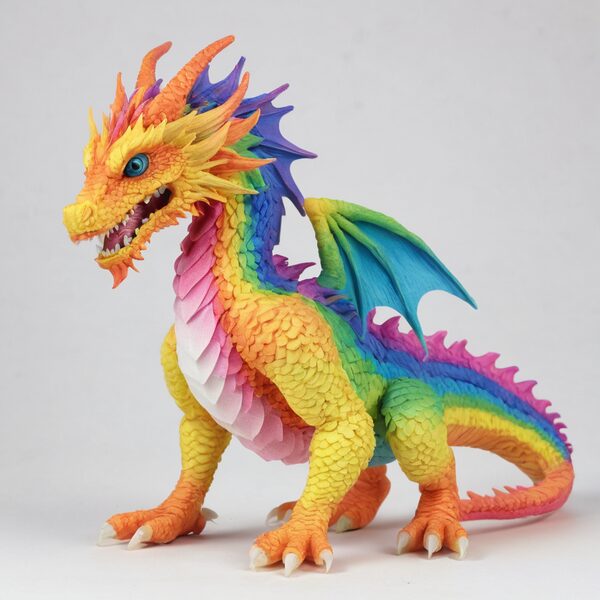
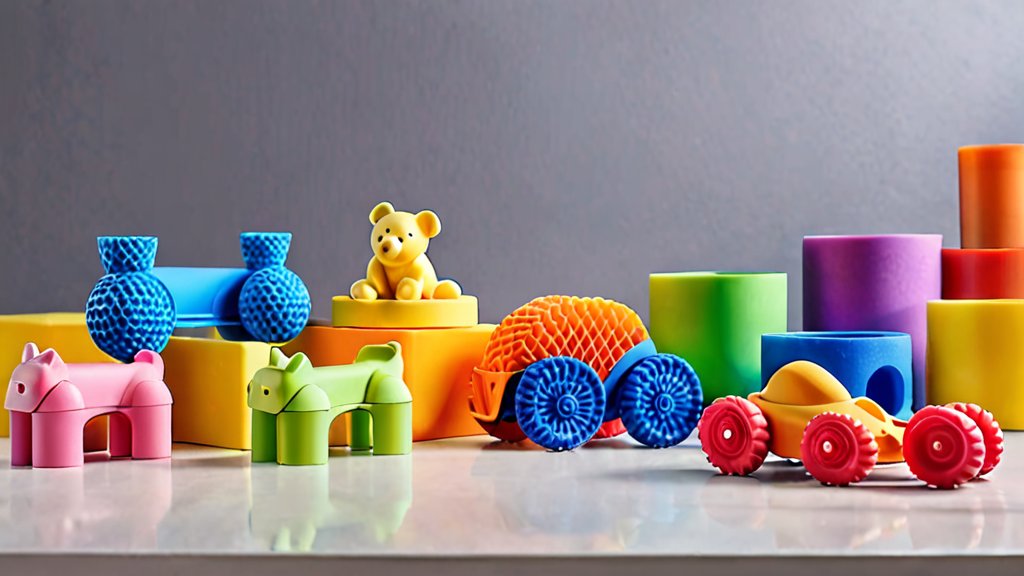
You've probably seen them in your social media feed — those impossibly detailed articulated dragons, flexi snakes that slither, and intricate puzzles that seem to defy traditional manufacturing. 3D printed toys have exploded in popularity over the past few years, and for good reason. They're unique, durable, and offer levels of design complexity that traditional manufacturing methods simply cannot match.
But what exactly are 3D printed toys? How are they made? Are they safe for children? And should you — whether you're a parent, retailer, or wholesale buyer — consider adding them to your toy collection? This guide answers all those questions and more.
3D printing, also known as additive manufacturing, creates objects by building them up layer by layer from a digital design file. Unlike traditional injection molding — which requires expensive metal molds and high minimum order quantities — 3D printing can produce complex shapes directly from a computer model, with no tooling costs.
The two most common 3D printing technologies used for toys are:
FDM printing works by melting a thermoplastic filament — most commonly PLA (Polylactic Acid) — and extruding it through a nozzle onto a build platform, layer by layer. PLA is made from renewable resources like corn starch or sugarcane, making it biodegradable and food-safe. FDM toys are strong, durable, and perfect for articulated designs, fidget toys, and larger play pieces. The visible layer lines on FDM prints give them a distinctive textured look that many people find appealing.
SLA printing uses a laser to cure liquid resin into solid plastic. It produces much smoother surfaces and finer detail than FDM, making it ideal for miniature figurines, display pieces, and toys with intricate geometry. However, standard SLA resin is more brittle than PLA and requires careful post-processing and curing.
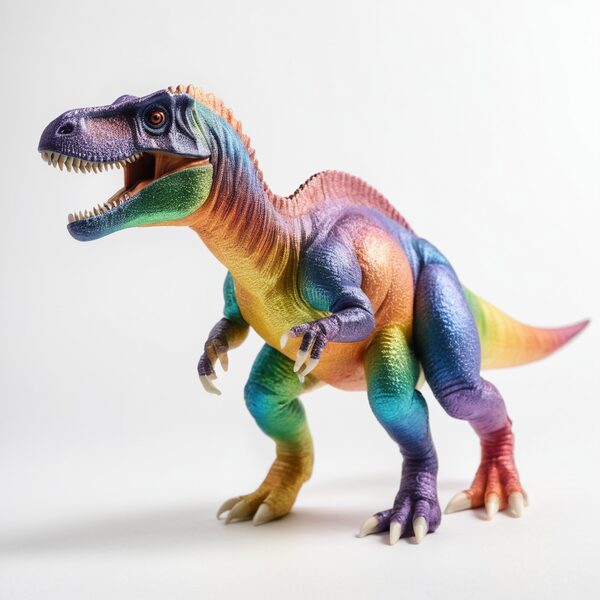
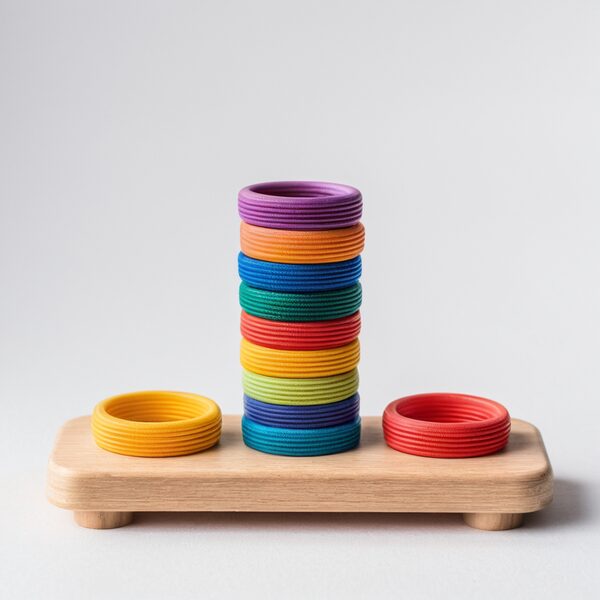
This is the most common question parents and retailers ask — and the answer depends heavily on the materials and manufacturing process used. Here's what you need to know:
PLA — the most common material for 3D printed toys — is generally recognized as safe. It's derived from plant starches, is BPA-free and phthalate-free, and produces no toxic fumes during printing. PLA is FDA-approved for food contact applications in its raw form. However, the safety of any 3D printed toy depends on:
FDM-printed PLA toys are surprisingly durable. A well-designed articulated dragon or flexi animal can withstand significant handling, dropping, and even chewing (within reason). PLA is harder than most injection-molded plastics, though it can be more brittle under extreme stress. URMYWO's FDM toys are printed with thick walls and reinforced joints to maximize durability.
URMYWO produces a growing line of 3D printed toys using industrial-grade FDM printers and certified PLA filament. Our collection includes articulated animals, fidget toys, puzzles, and educational playsets — all designed in-house and tested for safety and durability. We use 100% virgin PLA filament with full material traceability, and every toy is hand-finished and inspected before packaging.
Browse our full 3D printed toys collection to see current designs and pricing. For wholesale inquiries, contact our sales team for volume pricing and custom manufacturing options.
From articulated dragons to flexi animal sets — discover the unique world of 3D printed toys. Each piece is made with care from certified safe materials.
View 3D Printed Toys →