
A practical guide to CPC certification, ASTM F963, EN71, and CE compliance for toy importers and wholesale buyers.
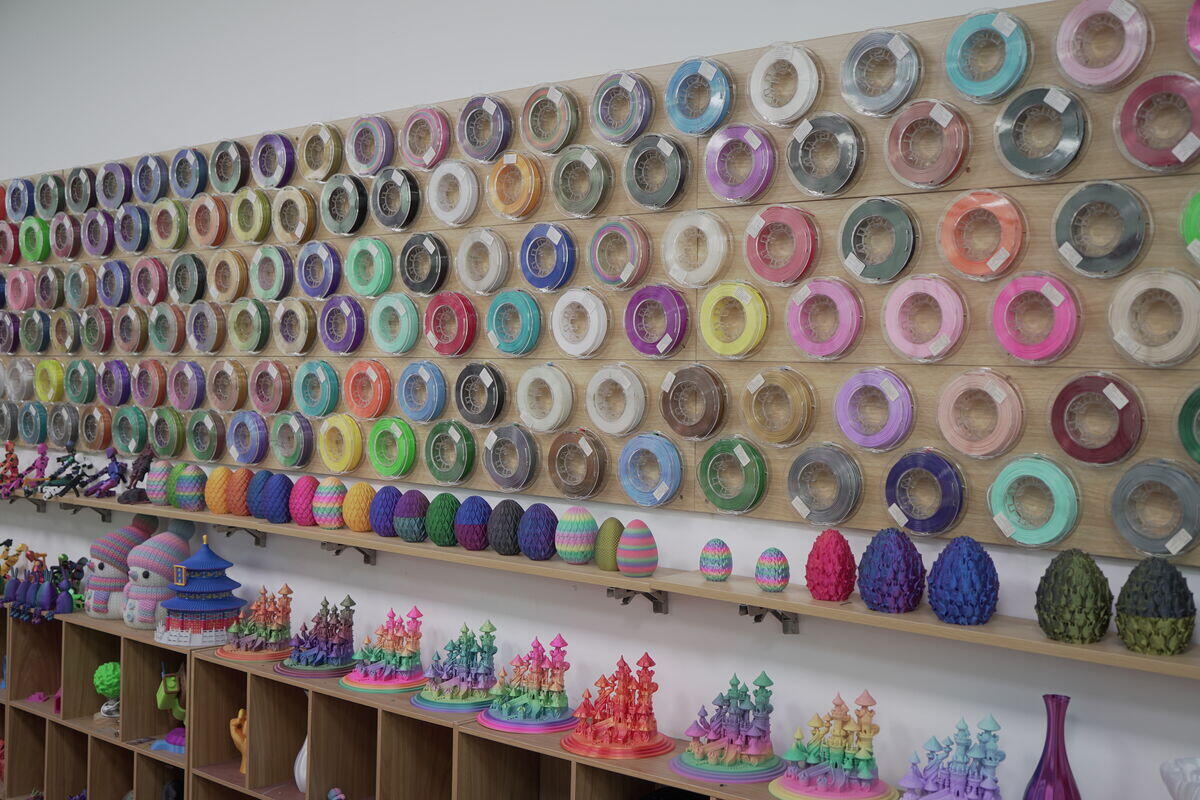

Importing toys from overseas manufacturers comes with a critical responsibility: ensuring every product meets the safety regulations of your target market. Whether you're bringing in 3D printed toys, Montessori wooden puzzles, or plush baby rattles, compliance with toy safety standards is non-negotiable. A single violation can result in costly recalls, legal liability, and lasting damage to your brand's reputation.
This guide covers the major children's product certificate (CPC) requirements, the key standards you need to know — ASTM F963, EN71, and CE — and practical steps for verifying that your supplier is truly compliant. Whether you're a first-time importer or an experienced buyer, staying current with toy safety standards is essential for protecting your business and the children who play with your products.
Any children's product manufactured or imported for sale in the United States must have a Children's Product Certificate (CPC). This is not optional — it is a legal requirement under the Consumer Product Safety Improvement Act (CPSIA). The CPC must be issued based on testing conducted by a CPSC-accredited third-party laboratory.
Key requirements for a valid CPC include:
URMYWO provides CPC certification with every shipment to US buyers, backed by testing from accredited labs. We also maintain a rolling compliance calendar to ensure all products meet the latest ASTM F963 revisions.
ASTM F963 is the comprehensive safety specification for toy products sold in the United States. Developed by ASTM International in collaboration with the CPSC, it covers a wide range of safety concerns:
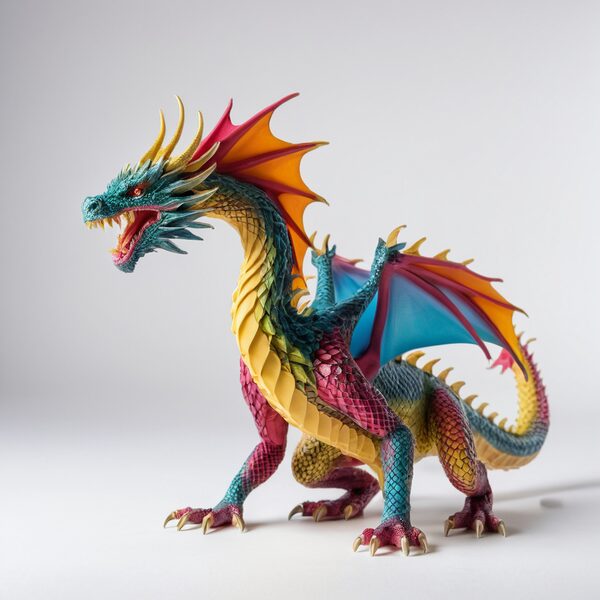
The latest revision, ASTM F963-23, introduced updated requirements for toys containing button batteries, expanded restrictions on certain phthalates, and clarified testing protocols for toys intended for children under 36 months. If your supplier is not actively tracking these updates, your products may be non-compliant without your knowledge.
For toys sold in the European Union, CE marking indicates conformity with the EU Toy Safety Directive (2009/48/EC). The harmonized standard is EN71, which consists of multiple parts covering:
CE marking requires a Declaration of Conformity, technical documentation, and — for most toys — testing by an accredited Notified Body. As an importer, it is your legal responsibility to ensure the CE marking on your products is valid and backed by proper documentation. URMYWO supports EU importers with complete technical files, including design data, risk assessments, and EN71 test reports.
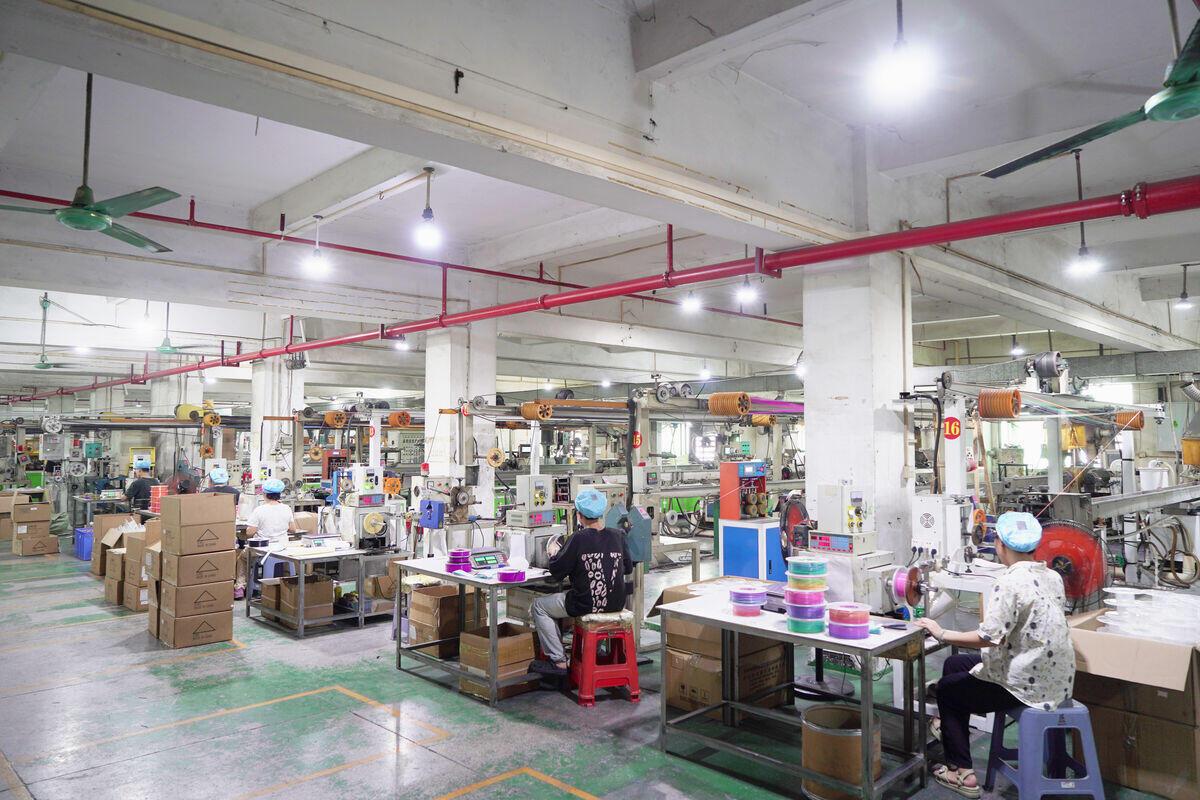
Compliance is built into our manufacturing process from day one — not an afterthought at the shipping dock. Here's how we ensure every toy meets global toy safety standards:
Don't risk your business on compliance shortcuts. URMYWO provides fully certified toys with complete documentation for US, EU, and other major markets. Request a compliance package and product catalog today.
Contact Us About Certified Manufacturing →