📅 Published: July 20, 2026
✍️ By: URMYWO Editorial Team
🏷️ Plush Toys, Manufacturing, Sourcing, Product Design
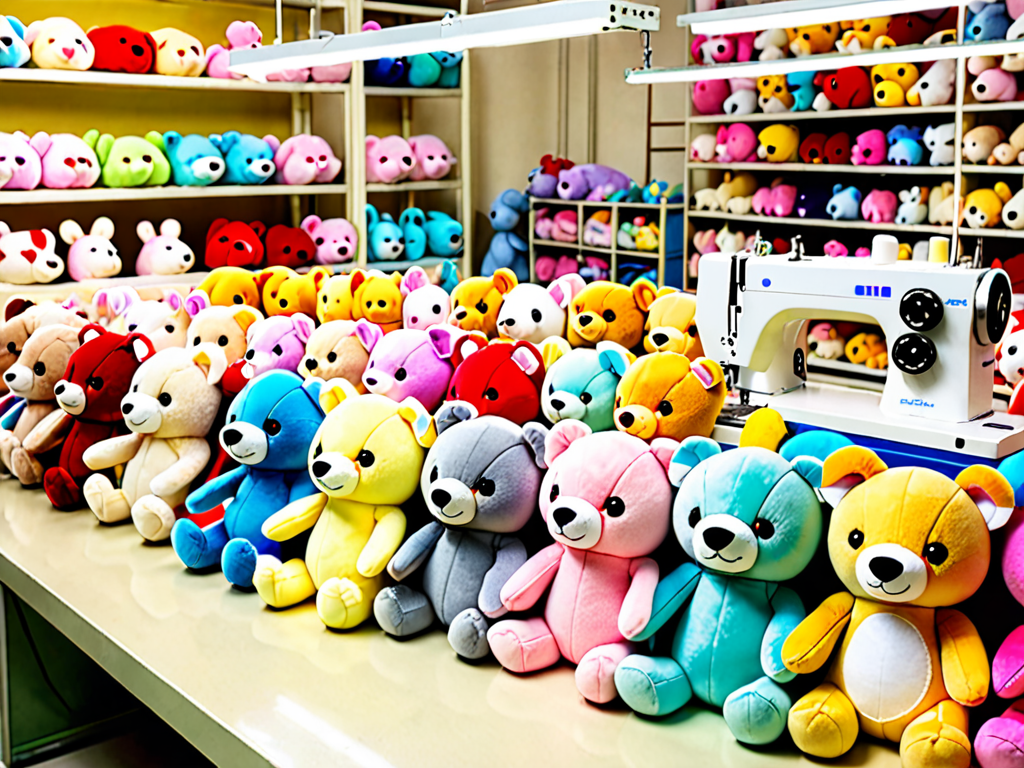
Plush toys account for roughly 15% of the global toy market — a $22 billion category that spans everything from $5 impulse-buy keychain plushies to $200 limited-edition collector bears. For brands and importers, plush represents one of the most accessible entry points into toy manufacturing: tooling costs are low, design iteration is fast, and consumer demand is remarkably stable across economic cycles.
But plush manufacturing is also deceptively complex. A stuffed animal that looks perfect in a CAD file can turn out lumpy, poorly stitched, or unsafe if the factory cuts corners on fabric, stuffing, or stitching standards. This guide walks through every stage of the plush toy manufacturing process — from initial concept to shipping-ready cartons — so you know what to ask for, what to watch out for, and what good looks like at each step.
📊 Market Data: The global plush toy market was valued at $9.8 billion in 2024 and is projected to reach $15.6 billion by 2030, growing at a CAGR of 8.1%. Key growth drivers: the rise of "kidult" collectors (adults buying plush for themselves), social media-driven viral plush trends (Squishmallows alone generated over $2B in retail sales), and the expanding use of plush as promotional merchandise for brands, sports teams, and entertainment IP.
Why Manufacture Plush Toys in China?
China dominates global plush manufacturing for good reasons that go beyond just low labor costs:
- Specialized labor force: Plush toy production is labor-intensive — cutting, sewing, stuffing, and finishing require skilled hands. China's toy manufacturing clusters (notably in Yangzhou, Qingdao, and Shantou) have multi-generational workforces with deep plush expertise that simply doesn't exist at scale elsewhere
- Complete supply chain: Fabric mills, printing houses, embroidery shops, plastic eye/nose factories, and packaging suppliers are all within a 50km radius in these clusters — dramatically reducing lead times and shipping costs for components
- MOQ flexibility: Chinese plush factories can accommodate orders from 500 to 500,000 units, with different factory tiers specializing in different volume brackets
- Cost competitiveness: Even with rising labor costs in China, per-unit plush manufacturing costs remain 40-60% lower than production in Vietnam, India, or Eastern Europe for comparable quality levels
⚠️ Not All Plush Factories Are Equal: China has roughly 8,000+ factories producing plush toys, ranging from world-class facilities serving Disney and Build-A-Bear to small workshops with inconsistent quality. The factory you choose determines everything about your product quality, safety compliance, and delivery reliability. Never select based on price alone — vet for certifications, audit history, and client references.
Step 1: Plush Toy Design & Concept Development
What You Need to Provide the Factory
A good plush toy starts with a clear design brief. The more detail you provide upfront, the fewer sampling rounds you'll need. Essential elements:
- Reference images: Front, side, and back views of the desired plush. Sketches, photos of similar toys, or AI-generated concepts all work — as long as they clearly communicate shape, proportions, and facial expressions
- Dimensions: Target height, width, and depth. Plush toys are typically measured sitting (for animals with legs) or standing. Specify whether dimensions include ears, tails, or accessories
- Color specifications: Pantone codes or physical fabric swatches are ideal. Describing "light blue" without a reference can lead to 3 rounds of color correction
- Fabric preferences: Short plush, long plush, minky, velboa, fleece, corduroy — each has different cost, feel, and durability characteristics (more on this below)
- Special features: Embroidered details, printed patterns, sound modules, movable joints, weighted bottoms, removable clothing, or magnetic attachments
- Target age group: 0-3 years (infant/toddler — most stringent safety requirements), 3-8 years (standard toy safety), or 14+ (collector/adult — fewer restrictions)
The Sampling Process
Expect 2-3 sampling rounds before approval. The typical timeline:
- First sample (7-14 days): Factory creates a preliminary plush based on your design brief. This sample tests the overall shape, proportions, and fabric choices. Expect it to be ~70% accurate — mainly for proportion feedback
- Second sample (7-10 days): Incorporates your feedback on shape, fabric, colors, and details. This should be ~90% accurate. Test it: hand it to a child, squeeze it, wash it — does it hold up?
- Final pre-production sample (5-7 days): The gold standard — exactly what will come off the production line. This sample should match your specifications 100%. Never approve production without seeing and approving the final pre-production sample in person
💡 Pro Tip — Sample in Hand, Not Just Photos: Photos can hide poor stitching, uneven stuffing, and fabric quality issues. Always have at least the final pre-production sample shipped to you for physical inspection before green-lighting mass production. The $30-50 in courier fees can save you from a container of unsellable product.
Step 2: Fabric Selection — The Foundation of Plush Quality
Fabric is the single biggest determinant of how your plush toy looks, feels, and wears over time. Here's the 2026 plush fabric landscape:
Common Plush Fabrics and Their Best Uses
- Short Plush (3-6mm pile): The workhorse of plush manufacturing. Smooth, dense, and durable. Best for detailed toys with embroidery, printed patterns, or complex shapes where long fur would obscure details. Cost: $2.50-4.00/meter.
- Long Plush (15-25mm pile): Soft, fluffy, and huggable. Best for teddy bears, oversized stuffed animals, and toys marketed on "softness." Requires more fabric per unit and hides construction details well (both a blessing and curse — harder to spot quality issues). Cost: $4.00-7.00/meter.
- Minky / Cuddle Fabric: Ultra-soft, short-to-medium pile with a distinctive textured dot pattern on the back. Extremely popular for baby toys, loveys, and premium plush. More expensive ($5.00-9.00/meter) and can be harder to sew cleanly — requires experienced operators and sharp needles.
- Velboa: A low-pile, faux-velvet fabric with a slight sheen. Used for paw pads, inner ears, noses, and accent details. Adds visual contrast without the cost of separate embroidery. Cost: $3.00-5.00/meter.
- Fleece / Polar Fleece: Non-pile, knitted synthetic fabric. Inexpensive, easy to sew, and machine-washable. Best for simple shapes, budget-conscious lines, and promotional giveaways. Less "premium" feel but highly functional. Cost: $1.50-3.00/meter.
- Organic Cotton Plush: Growing demand from eco-conscious brands. GOTS-certified organic cotton plush is now available from Chinese mills, though at a 40-60% premium over synthetic alternatives. Limited color range and slightly rougher hand-feel than polyester plush.
📊 Cost Insight: Fabric typically represents 25-35% of total plush toy manufacturing cost. A $4.00 factory-cost teddy bear uses approximately $1.00-1.40 in fabric. Choosing short plush over long plush or minky can reduce fabric costs by 30-50% without compromising on design appeal — especially for detailed character plush where fur length would obscure features anyway.
Step 3: Stuffing, Safety Eyes, and Components
Stuffing Materials
The filling determines not just softness but also weight, washability, and safety:
- Polyester fiberfill (PP cotton): Industry standard. Hypoallergenic, machine-washable, retains shape well. Available in different densities — higher density = firmer toy that holds shape better but uses more material. Most mid-market plush uses 7D or 15D polyester fill
- Recycled polyester fill (rPET): Made from recycled plastic bottles. Eco-friendly positioning at a 10-20% cost premium. Increasingly required by European retailers with sustainability mandates
- PE pellets / Poly pellets: Small plastic beads sewn into pouches at the bottom of the toy to add weight and make the plush sit upright. Essential for "weighted" plush toys (popular for sensory/anxiety relief products). Must be double-bagged in a secure inner pouch — loose pellets are a choking hazard
- Foam / Memory foam: Used in plush pillows, neck rests, and some premium plush. Higher cost, heavier shipping weight, but commands premium retail pricing
- Natural fills: Buckwheat hulls, wool, cotton batting — niche but growing for "natural" toy brands. More expensive and less consistent than synthetic fills, with special care requirements
Safety Eyes, Noses, and Hardware
These small components are the #1 safety risk in plush manufacturing. Key requirements:
- Safety eyes/noses: Must be lock-in type with a backing washer that cannot be removed without destroying the component. Tested to a minimum 90N (9kg) pull force for toys intended for children under 3. Plastic safety eyes cost $0.02-0.06 each; embroidered eyes eliminate the choking hazard entirely
- Embroidery as an alternative: For infant toys (0-3 years), embroidered facial features are strongly recommended over plastic components. No detachable parts = no choking risk. Adds $0.10-0.30 per unit in embroidery cost but dramatically simplifies safety compliance
- Sound modules: Push-activated squeakers, pull-string music boxes, or recordable voice modules. Must be securely enclosed in an inner pouch. Battery compartments require screw-secured closures (not snap-fit) for children's toys
- Zippers, Velcro, magnets: Any closure mechanism on a plush toy must withstand repeated use and not create small parts if it fails. Magnets are heavily regulated — if used in toys for children under 14, they must meet ASTM F963 magnet strength and size requirements or be fully enclosed and inaccessible
Step 4: Production Process Overview
Understanding the manufacturing workflow helps you communicate with factories and spot potential bottlenecks:
- Pattern making (1-2 days): Factory creates paper or digital cutting patterns from your approved design. This is where craftsmanship matters most — a poorly designed pattern produces lumpy, misshapen plush regardless of fabric quality
- Fabric cutting (1-2 days): Multiple layers of fabric are stacked and cut simultaneously using electric cutting machines or laser cutters. Laser cutting is faster and more precise but can leave slightly darkened edges on light-colored synthetic fabrics
- Printing/embroidery (1-3 days): Fabric pieces are printed (silk screen, digital, or sublimation) or embroidered before assembly. Embroidery is done on flat fabric — never on an already-stuffed toy
- Sewing & assembly (3-7 days): Operators sew fabric pieces together on industrial sewing machines, leaving a small opening for stuffing. Complex toys (15+ pieces) require more skilled operators and longer sewing time. Labor is the largest variable cost at this stage
- Stuffing & closing (1-3 days): Toys are filled with polyester fiberfill via pneumatic stuffing machines, then the opening is hand-sewn closed using a ladder stitch. Weight is checked per unit to ensure consistency
- Finishing & grooming (1-2 days): Excess fibers are trimmed, fur is brushed, eyes/noses are checked for secure attachment, and any loose threads are removed. Some factories use a "beauty machine" (heated rotating brush) to fluff and smooth the fur
- Quality inspection (1 day): Per AQL standards (typically AQL 2.5 for major defects, AQL 4.0 for minor defects). More on QC below
- Packaging & shipping (1-2 days): Toys are poly-bagged (with appropriate suffocation warning labels for the destination market), tagged, and packed into export cartons
Step 5: Quality Control for Plush Toys
Plush toys have unique QC considerations beyond standard toy safety testing:
- Seam strength: Seams must withstand 70N pull force for toys intended for children under 3. The stuffing opening seam (ladder stitch) is the most common failure point — it should be inspected on every unit
- Filling consistency: Under-stuffed toys look deflated; over-stuffed toys feel hard and have visible seam stress. Good factories weigh stuffing per unit and use templates to verify shape consistency
- Attachment security: Eyes, noses, bows, buttons, tags — anything attached to the plush — must pass the appropriate pull test. Plastic safety eyes with backing washers should not detach under 90N force
- Fabric flaws: Check for runs, pulls, uneven dye lots, color bleeding (rub with a damp white cloth), and fabric grain direction (fur should flow consistently across panels)
- Stuffing migration: Fiberfill should not leak through the fabric. This is a function of fabric density and stitch length — shorter stitches (8-10 per inch) on tightly woven backing fabric prevent leakage
- Flammability: Plush fabrics must meet 16 CFR 1610 (US) or EN71-2 (EU) flammability standards. Synthetic polyester fabrics generally pass; natural fibers may require flame-retardant treatment, which adds cost and can affect hand-feel
- Washability: If the toy is labeled as machine-washable, test a sample through 3 complete wash/dry cycles. Check for color fading, seam failure, stuffing clumping, and shape retention
💡 QC Hack — The "Mom Test": Give a pre-production sample to an actual parent with a child and ask them to use it for a week. Machine-wash it, let the kid drag it around, sleep with it, chew on it. The feedback you'll get is more valuable than any checklist — real-world abuse reveals failure modes that standard QC tests miss.
Plush Toy MOQs, Pricing & Lead Times
Realistic MOQs by Factory Tier (2026)
- Small workshops: 200-500 units per design. Lower consistency, fewer certifications. Suitable for market testing, small Etsy brands, or promotional runs
- Mid-size factories: 1,000-3,000 units per design. Good quality, full safety testing capabilities, competitive pricing. The sweet spot for most independent toy brands
- Large manufacturers: 5,000-10,000+ units per design. Highest consistency, full compliance documentation, in-house testing labs. Required for big-box retail (Walmart, Target) and major brand licensing programs
Cost Breakdown for a Typical 12" Plush Bear
Based on 2,000-unit order, short plush fabric, PP cotton fill, embroidered features:
- Fabric: $0.90-1.20/unit
- Stuffing (PP cotton): $0.20-0.30/unit
- Embroidery (eyes, nose, mouth): $0.15-0.25/unit
- Sewing labor: $0.80-1.20/unit
- Accessories (ribbon, tag, hang tag): $0.10-0.20/unit
- Polybag + packaging: $0.08-0.15/unit
- Total EXW factory cost: $2.23-3.30/unit
At retail, this bear typically sells for $12.99-24.99 depending on branding, packaging, and sales channel — a healthy 4-7x markup from factory cost.
Lead Times
- Sampling: 2-4 weeks (including shipping time to you)
- Production (2,000 units): 25-35 days from sample approval
- Production (10,000+ units): 35-50 days
- Sea freight to US West Coast: 14-18 days
- Sea freight to Europe: 28-35 days
- Total timeline from concept to delivery: 10-14 weeks typical, 8-10 weeks expedited
📊 Seasonal Planning: For Q4 holiday delivery, place plush toy orders by mid-July for sea freight or early September for air freight. Plush factories are at 120-150% capacity from August through October — production slots fill up fast, and rush orders carry 15-25% surcharges during peak season.
Safety Compliance: The Non-Negotiable
Plush toys for children must meet stringent safety standards. The factory should provide:
- ASTM F963 (US): Covers mechanical hazards (small parts, sharp edges), flammability, and heavy metal limits in surface coatings and accessible substrates
- EN71 Parts 1-3 (EU): Mechanical/physical properties, flammability, and migration of certain elements (heavy metals). EN71-1 specifically tests seam strength and attachment security for soft-filled toys
- CPSIA / CPC (US): Children's Product Certificate required for all toys sold in the US. Includes lead content limits (100ppm in accessible substrate, 90ppm in surface coatings) and phthalate restrictions
- REACH (EU): Chemical compliance covering 240+ substances of very high concern. Critical for plush: azo dyes (banned), formaldehyde (limits apply), and phthalates (DEHP, DBP, BBP, etc.)
- ISO 8124 (International): Used in Australia/NZ, Canada, and many other markets as the base standard
⚠️ Critical — Age Grading Determines Everything: A plush toy labeled "3+" has dramatically different (and less stringent) testing requirements than one labeled "0+". The most conservative strategy: design and test everything to under-3 standards. It costs slightly more but opens the widest market and eliminates the risk of mislabeled age grading. Never label an infant-appropriate plush as "3+" just to avoid testing — if a child under 3 could reasonably play with it, it must be tested accordingly.
Plush Design Trends for 2026-2027
What's selling in plush right now:
- Weighted plush: 1-3kg plush toys marketed for anxiety relief, sensory comfort, and sleep aid. The TikTok-driven trend shows no sign of slowing — weighted dinosaur and axolotl plush are breakout stars
- Jumbo plush: Oversized 80-150cm plush animals that double as floor cushions or room decor. Higher shipping costs but $50-120 retail price points make the economics work
- "Kawaii" food plush: Anthropomorphic food items with cute faces — boba tea, croissants, dumplings, avocados — driven by Japanese/Korean pop culture and social media aesthetics
- Reversible mood plush: Flip the toy inside-out to reveal a different expression or color. Simple mechanism (two plush toys sewn back-to-back with a reversible opening), high perceived value
- Personalized plush: Print-on-demand faces, custom embroidery, or "make your own" plush kits. Higher margins but more complex fulfillment
- Eco-plush: Recycled polyester fill, organic cotton shells, plastic-free packaging. Growing demand from European and premium US retailers
Why URMYWO for Plush Toy Manufacturing?
URMYWO partners with vetted plush factories in China's established toy manufacturing clusters. Here's what we bring to your plush project:
- Full design-to-delivery support: We can work from your detailed design brief, reference images, or even a rough sketch — our team handles pattern making, fabric sourcing, and sampling
- Fabric library access: 200+ in-stock plush fabrics across all pile lengths, colors, and certifications — no minimum order for fabric sourcing on production runs
- Safety compliance built-in: Every plush order ships with ASTM F963 + EN71 test reports appropriate to the target age grade. CPSIA tracking labels, CPC documentation, and REACH compliance included as standard
- Competitive MOQs: Start with as few as 500 units per design to test the market — scale to container quantities as demand grows
- Quality you can feel: We use the "Mom Test" on every new design before production approval. If it doesn't survive real-world kid handling, it doesn't ship
🧸 Have a Plush Toy Idea? Let's Bring It to Life
Send us your design concept — sketch, reference image, or detailed description — and we'll provide a sample cost estimate and production timeline within 48 hours.
Start Your Plush Project →