📅 Published: June 1, 2026
✍️ By: URMYWO Editorial Team
🏷️ Toy Safety, Baby Care, Cleaning, Parenting Tips

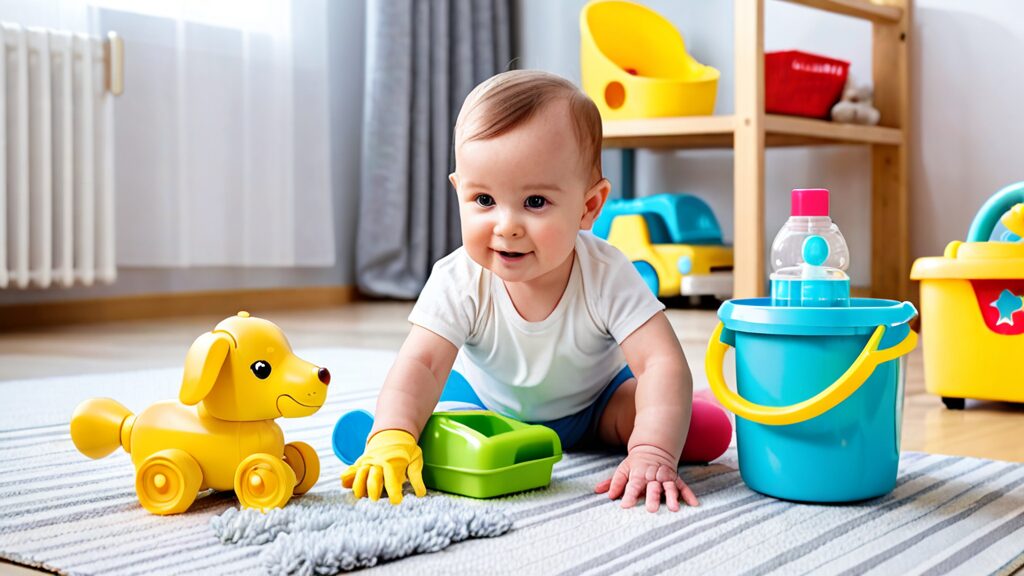
If you're a parent, you already know: baby toys spend more time on the floor, in the mouth, and in the company of curious little hands than anywhere else. Studies show that daycare toys can harbor up to 20 times more bacteria than a toilet seat — and even toys at home accumulate germs from coughing, sneezing, and floor-to-mouth exploration at an alarming rate.
But here's the thing: not all cleaning methods are safe for baby toys. Harsh chemicals can leave residues, hot water can damage certain materials, and improper drying can encourage mold growth. This guide covers how to clean every type of baby toy — plastic, silicone, wood, plush, and 3D printed — using methods that are effective against germs yet completely safe for your little one.
General Rules for Safe Toy Cleaning
- Always check the manufacturer's instructions first — Some toys have batteries, electronic components, or special coatings that require specific care. When in doubt, reach out to the brand or check the product packaging.
- Wash new toys before first use — Manufacturing and shipping can leave dust, oils, and residues on even sealed packaging. Give every new toy a gentle wash before handing it to your baby.
- Establish a cleaning schedule — Daily surface wipe for frequently mouthed toys, weekly deep clean for most toys, and monthly sanitizing for toys that rarely get dirty but accumulate dust.
- Separate cleaning from sanitizing — Cleaning removes dirt and some germs. Sanitizing (using a disinfectant or boiling water) reduces germs to safer levels. For baby toys, cleaning is usually sufficient for day-to-day care; sanitize only when a child is sick or after shared use.
- Let toys dry completely — Moisture trapped inside hollow toys or fabric fibers can breed mold. Air dry everything thoroughly before returning toys to your child.
How to Clean Different Types of Baby Toys
Plastic & Silicone Toys (Teethers, Rattles, Bath Toys)
These are the workhorses of the baby toy world — and the ones most likely to end up in your child's mouth. The good news: plastic and silicone are the easiest materials to clean thoroughly.
- Daily cleaning: Wash in warm soapy water with mild dish soap. Use a clean sponge or cloth to scrub all surfaces, rinse thoroughly, and air dry on a clean towel.
- Dishwasher method: Most solid plastic and silicone toys (without batteries or electronics) are top-rack dishwasher safe. Use the heat-dry cycle for sanitization. Skip this for toys with small crevices where water can pool.
- Deep sanitizing: For silicone toys, boil in water for 5 minutes. For plastic toys, soak in a solution of 1 tablespoon unscented bleach per gallon of cool water for 2 minutes, then rinse thoroughly and air dry.
- Bath toys warning: Bath toys with a hole in the bottom (squeaky toys, squirt toys) are notorious for growing black mold inside. Squeeze out all water after each bath, and periodically soak them in a vinegar solution (1:1 white vinegar and water) for 30 minutes. Better yet, choose bath toys without drainage holes — solid silicone bath toys are mold-resistant and far easier to clean.
⚠️ Important: Never submerge toys with batteries, electronic components, or fabric elements (like the sound box in a musical plush). Use a damp cloth with mild soap instead, taking care to keep electronics dry.
Wooden Toys (Montessori Blocks, Puzzles, Stacking Rings)
Wooden toys are a staple of Montessori and educational play — they're durable, beautiful, and eco-friendly. But wood is porous and can be damaged by excessive moisture or harsh chemicals.
- Surface cleaning: Wipe with a slightly damp (not wet) cloth using a mild soap solution. Wring the cloth out well — standing water on wood can cause warping, cracking, or finish degradation.
- Natural disinfectant: Mix 1 cup white vinegar with 1 cup water. Lightly dampen a cloth and wipe the toy surface. Vinegar is a natural disinfectant that's safe for wood finishes and non-toxic if traces remain.
- What NOT to do: Never soak wooden toys, put them in the dishwasher, or use bleach solutions. Excessive moisture destroys wood toys quickly. Avoid soaking in vinegar solution — wipe only.
- For painted or stained wood: Check that the paint is non-toxic and intact. Worn or chipping paint should be addressed (sand and reseal with food-safe mineral oil or beeswax) to prevent splinters.
💡 Pro Tip: URMYWO's Montessori toys use solid natural wood with water-based, non-toxic finishes that are safe for babies and withstand gentle cleaning. For regular maintenance, apply a thin layer of food-grade mineral oil every 2–3 months to keep wood from drying out.
Plush Toys & Soft Dolls
Soft toys are comfort objects — which means they get loved hard and dirty fast. Furry surfaces trap dust, saliva, and allergens.
- Machine washable: Place plush toys in a mesh laundry bag or pillowcase to protect them. Use cold or warm water on a gentle cycle with mild detergent (skip fabric softener — it can irritate baby skin). Air dry or tumble dry on low heat.
- Spot cleaning: For toys that can't be machine-washed (those with glued-on features, music boxes, or delicate fabrics), spot clean with a damp soapy cloth, then wipe with a clean damp cloth to remove soap residue.
- Freezer method for dust mites: Seal the toy in a plastic bag and freeze for 24 hours. Freezing kills dust mites without damaging the toy. After freezing, vacuum the toy's surface to remove dead mites and allergens.
- Drying is critical: Plush toys take a long time to dry fully. A damp plush interior can develop mildew within 48 hours. Ensure the toy is bone-dry before returning it to your child.
3D Printed Toys (FDM & SLA)
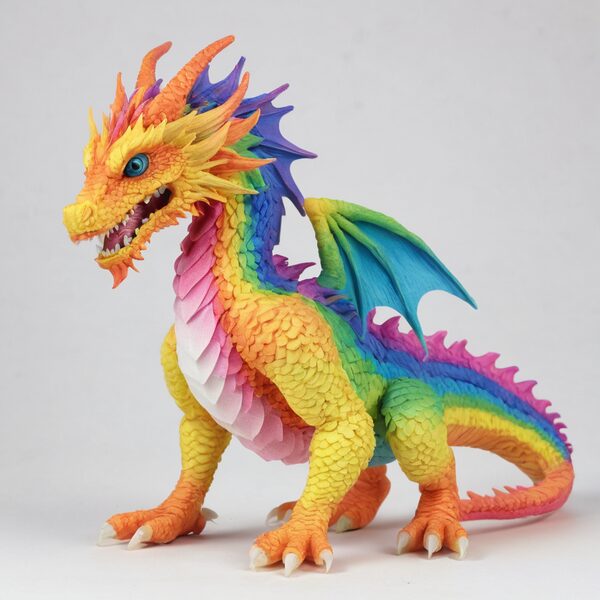
3D printed toys — especially articulated dragons, fidget toys, and animal figures from brands like URMYWO — are gaining popularity for their unique designs and durability. Because they're made from PLA (polylactic acid), a plant-based bioplastic, they need slightly different care than injection-molded plastic toys.
- Surface cleaning: Wash with warm soapy water and a soft cloth or sponge. PLA is food-safe and non-toxic, but the layer lines on FDM-printed toys can trap dirt — use a soft-bristled brush (like a clean toothbrush) to gently scrub crevices.
- Sanitizing: Wipe with a 70% isopropyl alcohol solution using a soft cloth. Alcohol evaporates quickly and won't damage PLA. Avoid soaking 3D printed toys — prolonged moisture can weaken layer adhesion over time.
- What to avoid: Do NOT boil 3D printed toys (PLA softens above 60°C/140°F). Avoid dishwasher cleaning, bleach, and abrasive scrubbers that can scratch the surface and damage the finish.
- For articulated toys: Pay extra attention to joint areas where dirt and saliva accumulate. Use a cotton swab dipped in soapy water to clean between articulated segments, then dry thoroughly.
💡 Pro Tip: URMYWO's 3D printed toys are made from premium PLA+ filament, which is more durable and heat-resistant than standard PLA. While still soft-above-60°C, PLA+ stands up well to regular cleaning with mild soap and water. Browse our 3D printed toy collection for washable, durable designs.
Natural Cleaning Solutions vs. Commercial Disinfectants
With so many cleaning products on the market, it's easy to wonder which ones are safe for baby toys. Here's a simple breakdown:
| Solution |
Safe for Toys? |
How to Use |
| White vinegar + water (1:1) |
✅ Yes (wood, plastic, silicone) |
Wipe on, let sit 2 min, wipe off. Natural disinfectant. |
| Mild dish soap + warm water |
✅ Yes (all non-electronic toys) |
Best daily cleaner. Rinse thoroughly after use. |
| 70% isopropyl alcohol |
✅ Yes (plastic, metal, 3D printed) |
Wipe and air dry. Avoid on painted wood or unfinished surfaces. |
| Diluted bleach (1 tbsp/gal water) |
⚠️ Only for non-porous plastic |
Rinse EXTREMELY well. Not for wood, plush, or silicone. |
| Hydrogen peroxide (3%) |
✅ Yes (non-porous surfaces) |
Spray, let sit 5 min, rinse. Non-toxic alternative to bleach. |
| Baby-safe disinfectant wipes |
⚠️ Check label for "safe for toys" |
Convenient for quick wipes. Avoid brands with strong fragrances. |
When to Clean vs. When to Replace
No amount of cleaning can fix a worn-out toy. Here's when to retire and replace:
- Chipped or cracked plastic — Sharp edges can cut little fingers
- Splintered wood — Safety hazard, especially for mouthing babies
- Frayed or torn fabric — Loose threads pose strangulation risks
- Persistent mold or mildew — If drying and cleaning can't remove it, toss it
- Battery corrosion — Leaking batteries are toxic — dispose of the toy safely
- Degraded 3D printed layers — If a 3D printed toy has been soaked or warped, replace it
Quick Reference: Cleaning Schedule by Toy Type
- Teethers & mouthing toys: After each use (rinse with soapy water or wipe with alcohol)
- Bath toys: After each bath (squeeze dry) + vinegar soak monthly
- Plastic blocks & rattles: Weekly (dishwasher or soapy wash)
- Wooden Montessori toys: Weekly (damp cloth wipe) + mineral oil treatment every 2–3 months
- Plush toys: Every 2 weeks (machine wash) or spot clean as needed
- 3D printed toys: Weekly (soapy wash with soft brush) or wipe with alcohol
- All toys: Extra sanitizing after illness, playdates, or daycare
Keeping baby toys clean doesn't have to be complicated. A simple routine — daily rinses for mouthed toys, weekly washes for the rest, and common-sense sanitizing when needed — will keep your child's play environment safe without turning you into a full-time cleaning service.
At URMYWO, we design our toys with cleanliness in mind. Our Montessori toys use smooth, non-porous wood finishes that resist moisture. Our 3D printed toys are made from food-safe PLA that's easy to wipe clean. And all URMYWO toys are tested for safety, durability, and washability.
🧸 Shop Toys That Are Easy to Clean & Safe for Baby
Browse our collection of Montessori toys, 3D printed toys, and baby essentials — all designed with safety, durability, and easy cleaning in mind.
Shop URMYWO Toys →