Discover how educational toys support cognitive development, motor skills, and social-emotional learning in toddlers — and how to choose the right ones for your child.

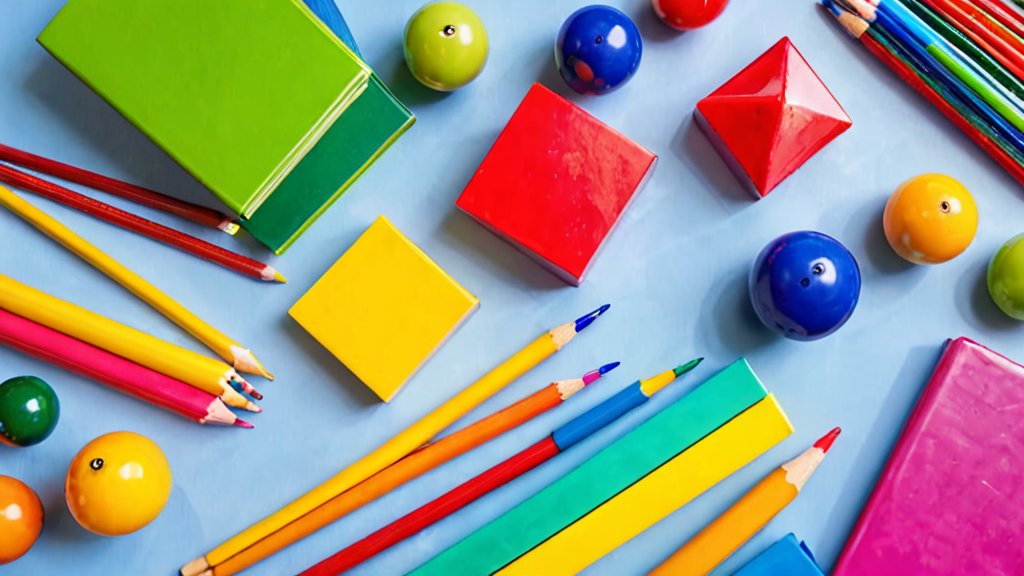
The toddler years — roughly ages 1 to 3 — are a period of extraordinary brain development. By age 3, a child's brain has reached 80% of its adult volume, forming more than one million new neural connections per second. The toys you choose during this critical window don't just entertain; they actively shape how your child learns, thinks, and interacts with the world.
Educational toys are designed specifically to stimulate this development. Unlike passive entertainment (screens or single-function electronic toys), educational toys encourage active problem-solving, fine motor practice, creative thinking, and social interaction. This guide explores the science-backed benefits of learning toys for toddlers and helps you choose the right ones for each developmental stage.
Not every toy marketed as "educational" truly supports learning. A genuinely educational toy should:
This philosophy aligns closely with the Montessori approach to learning, which emphasizes hands-on, self-paced, and purposeful play. Many of the best educational toys for toddlers share Montessori principles: simplicity, natural materials, real-world relevance, and a focus on the process rather than the outcome.
Cognitive toys challenge a toddler's ability to think, reason, remember, and solve problems. Puzzles, shape sorters, stacking toys, and simple matching games all fall into this category. Research shows that toddlers who regularly engage with age-appropriate cognitive toys develop stronger executive function skills — including working memory, impulse control, and mental flexibility — that predict academic success years later.
Building blocks and construction sets are particularly powerful. When a toddler stacks blocks, they're learning about gravity, balance, spatial relationships, and cause and effect. When the tower falls, they learn resilience and problem-solving: "What can I do differently next time?"
Fine motor development — the coordination of small muscles in the hands and fingers — is essential for writing, self-feeding, buttoning clothes, and countless other daily tasks. Educational toys for fine motor skills include:
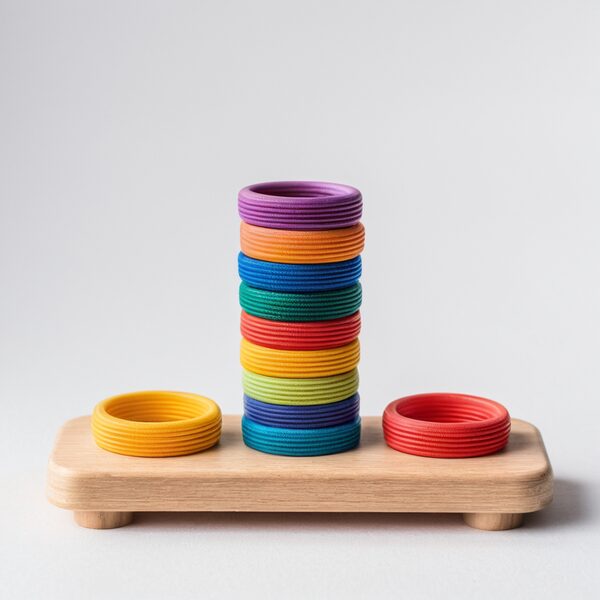
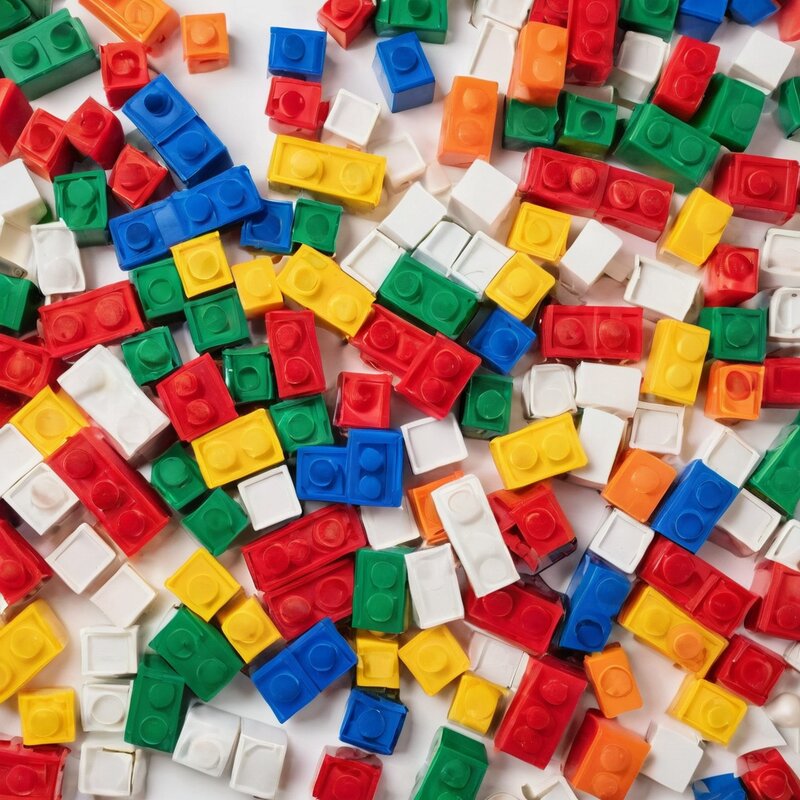
Toddlers learn language best through meaningful, interactive experiences — not passive screen time. Educational toys that support language development include picture books with real photographs, animal and vehicle sound puzzles, simple memory card games, and dramatic play sets (kitchens, tool benches, doctor kits) that encourage narration and dialogue.
When you play alongside your toddler and describe what they're doing — "You're putting the red circle in the sorter" — you're providing rich language input that builds vocabulary, sentence structure, and conversational turn-taking.
Sensory toys engage one or more of the five senses: sight, sound, touch, smell, and taste (under supervision). For toddlers, sensory play is how the brain organizes and interprets information from the environment. Benefits include:
3D printed toys are increasingly popular for sensory play because they can be produced with unique textures, moving articulated parts, and safe, non-toxic PLA materials. Browse our 3D printed toy collection for sensory-rich options like articulated animals, textured fidget toys, and stacking puzzles.
Educational toys also support social-emotional growth. Dramatic play sets (kitchens, tool sets, doctor kits) allow toddlers to role-play real-world scenarios, practicing empathy, cooperation, and emotional regulation. Board games adapted for toddlers teach turn-taking, patience, and handling wins and losses gracefully.
Even solo play with educational toys builds emotional skills: completing a puzzle provides a sense of accomplishment, persisting through a challenging shape sorter builds frustration tolerance, and caring for a toy baby doll nurtures empathy and nurturing behavior.
At this stage, toddlers are sensorimotor explorers. They learn by putting things in their mouths, shaking them, dropping them, and watching what happens. Best educational toys:
Toddlers begin to understand symbols and representations. They start engaging in simple pretend play and can solve basic problems. Best educational toys:
By age 2-3, toddlers engage in more complex pretend play, can follow simple rules, and begin cooperative play with peers. Best educational toys:
💡 Parent Tip: The best educational toy is the one your child actually plays with. Observe what naturally interests your toddler — is it stacking, sorting, pretending, or moving? Choose toys that match their current fascination, not just the age label on the box.
The American Academy of Pediatrics recommends zero screen time for children under 18 months (except video calls) and no more than one hour per day of high-quality programming for ages 2-5. The reason is clear: toddlers learn best through three-dimensional, hands-on interaction with real objects and people.
A 2023 study published in JAMA Pediatrics found that toddlers who played with physical building blocks showed significantly stronger language development and problem-solving skills compared to those who used tablet-based "educational" apps. The tactile feedback, spatial manipulation, and creative freedom of physical toys cannot be replicated on a screen.
Safety is paramount when selecting educational toys for toddlers. Here's what to look for:
URMYWO's entire toy line — including our educational toy collection — is CPC-certified for the US market and CE/EN71-certified for the EU. We use only food-grade silicone, sustainably sourced wood, and non-toxic PLA filament for our 3D printed toys.
One of the most effective strategies for maximizing the educational value of toys is the toy rotation method, popular in Montessori homes. The idea is simple:
Toy rotation prevents overstimulation, deepens engagement, and extends the life of each toy. A toy that's been "away" for two weeks feels fresh and exciting when it returns. This approach also teaches toddlers to focus deeply — a skill that pays dividends in school and beyond.
Explore URMYWO's curated collection of educational toys — from stacking rings and building blocks to sensory play sets and 3D printed puzzles. All CPC/EN71 certified for safety.
Browse Educational Toys →