
How to design, source, and manufacture custom packaging that sells your toys and protects your brand — whether you're launching a startup or scaling a private label line.
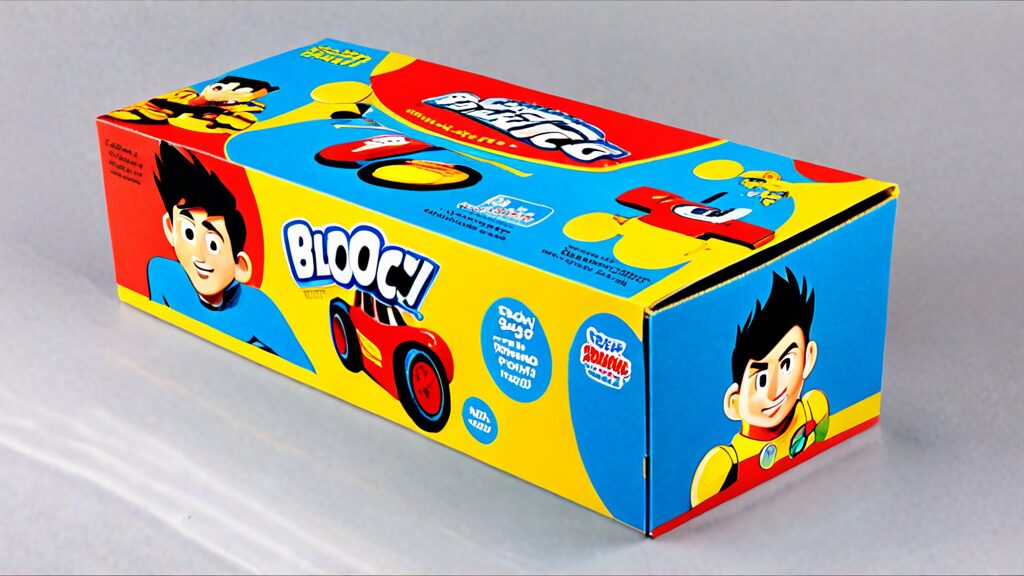
Walk into any toy store, and the first thing that catches your eye isn't the toy — it's the packaging. Bright colors, clever window cutouts, and thoughtful design signal quality before a child even lays hands on the product. For toy brands competing on crowded retail shelves and Amazon listings alike, custom toy packaging is one of the highest-leverage investments you can make.
In fact, 72% of consumers say packaging design influences their purchasing decisions, and products with premium packaging command 20–30% higher perceived value. For toy brands selling through wholesale channels, packaging does double duty — it must appeal to both the child (who wants play appeal) and the retailer buyer (who wants shelf impact and durability).
This guide covers everything you need to know about custom toy packaging: materials, design principles, regulatory requirements, MOQ considerations, and how to work with a manufacturer to get professional packaging without the headache.
Custom packaging is more than a box — it's your most powerful silent salesperson. Here's why toy brands invest in it:
📊 Industry Insight: According to a 2025 packaging industry report, the global toy packaging market is valued at $4.2 billion and is projected to grow at 5.8% CAGR through 2030, driven by e-commerce growth and demand for sustainable materials.
The right packaging format depends on your product type, retail channel, budget, and brand positioning. Here are the most common options:
The most popular choice for retail toys. Folding cartons are printed cardboard boxes that fold flat for shipping and are assembled by the customer. They're economical for medium-to-high volumes and offer excellent print surface for branding. Available in standard shapes (rectangular, square) or custom die-cut designs with window cutouts to show the toy inside.
Premium thick-walled boxes that don't fold — they arrive pre-assembled. Used for high-end toys, gift sets, and collectible items. Rigid boxes convey luxury and are common for Montessori toys, heirloom-quality wooden toys, and 3D printed collector pieces. Higher cost but significantly higher perceived value.
A clear plastic shell (usually PVC or PET) heat-sealed to a printed card insert. Blister packs allow full product visibility and are common for smaller toys, figurines, and accessories sold on peg hooks in big-box retailers. The trade-off: environmental concerns around plastic waste.
The most economical option — a printed poly bag sealed with a branded hang tag. Common for inexpensive toys, bulk packs, and accessories. While cost-effective, poly bags offer less shelf presence and feel less premium. Many brands use poly bags for e-commerce while offering boxed versions for retail.
Increasingly popular with modern parents who prioritize sustainability. Options include kraft paper boxes with soy-based inks, molded pulp inserts (instead of plastic trays), recyclable window films made from PLA, and fully compostable mailers for DTC shipping. URMYWO offers multiple eco-friendly packaging options for brands targeting sustainability-conscious consumers.


Whether you're designing your first box or refreshing an existing line, these principles will help your packaging perform:
Packaging for Amazon FBA has different requirements than packaging for boutique toy stores. Amazon requires Frustration-Free Packaging (FFP) standards — easy to open, 100% recyclable, and no plastic clamshells or wire ties. Big-box retailers like Target and Walmart have their own packaging guidelines including specific barcode placement and display-ready cases. Always verify channel requirements before finalizing your design.
Parents want to see what they're buying. A window cutout, product photography on the front panel, or a clear blister showing the toy inside all increase conversion. For e-commerce listings, ensure your hero image clearly shows the product — packaging shots are supplementary, not primary.
The age grading is the single most important piece of information on your packaging. A toy labeled "3+" will be rejected by a parent shopping for a 1-year-old, even if the toy seems age-appropriate. Be honest and precise — incorrect age labeling is both a consumer trust issue and a regulatory liability.
Every toy sold in the US must include: manufacturer or distributor name and address, country of origin ("Made in China"), choking hazard warnings where applicable (small parts, small balls, marbles, balloons), age grading, and certification marks (CPC, ASTM F963). For EU markets, add CE marking, EN71 compliance statements, and importer/distributor contact information. Missing any of these can stop your shipment at customs.
Your packaging must fit the toy precisely. A structural designer creates a die line — the 2D blueprint for cutting and folding the box. This includes dimensions, fold lines, glue flaps, and any window cutouts. For odd-shaped toys (3D printed dragons, articulated snakes), custom-fit inserts are essential to prevent movement and damage during shipping.
With the structure defined, your graphic designer creates the printed surface: front panel branding and hero imagery, side panels with product features, back panel with safety information and manufacturer details, and barcode placement. Files are prepared in CMYK color space at 300 DPI minimum, with proper bleed (typically 3mm on each side).
Before mass production, request a physical sample — digital proofs are useful but can't show actual paper weight, finish (matte vs. gloss), or structural integrity. A good packaging manufacturer will produce die-cut mockups and printed samples for your approval. URMYWO provides packaging samples alongside toy samples so you can evaluate the complete unboxing experience.
Once approved, production begins. Key QC checkpoints: color accuracy (compared against Pantone standards), die-cut precision (clean folds without tearing), glue adhesion (no loose flaps), and print registration (no misaligned colors). For high-volume orders, AQL sampling is applied to finished boxes before shipping.
Your manufacturer can handle final assembly — inserting toys into boxes, adding inserts or tissue paper, applying labels, and packing into master cartons. URMYWO offers turnkey packaging and fulfillment services: your toy is manufactured, assembled with custom packaging, and shipped directly to your warehouse or Amazon FBA center.
Understanding packaging economics helps you plan your budget realistically:
As a vertically integrated toy manufacturer, URMYWO offers end-to-end packaging services that save you time and reduce coordination headaches:
Tell us about your product and target market — our packaging team will provide design concepts, material samples, and a detailed quote. No obligation.
Request Packaging Quote →